Developmental Delays Crisis
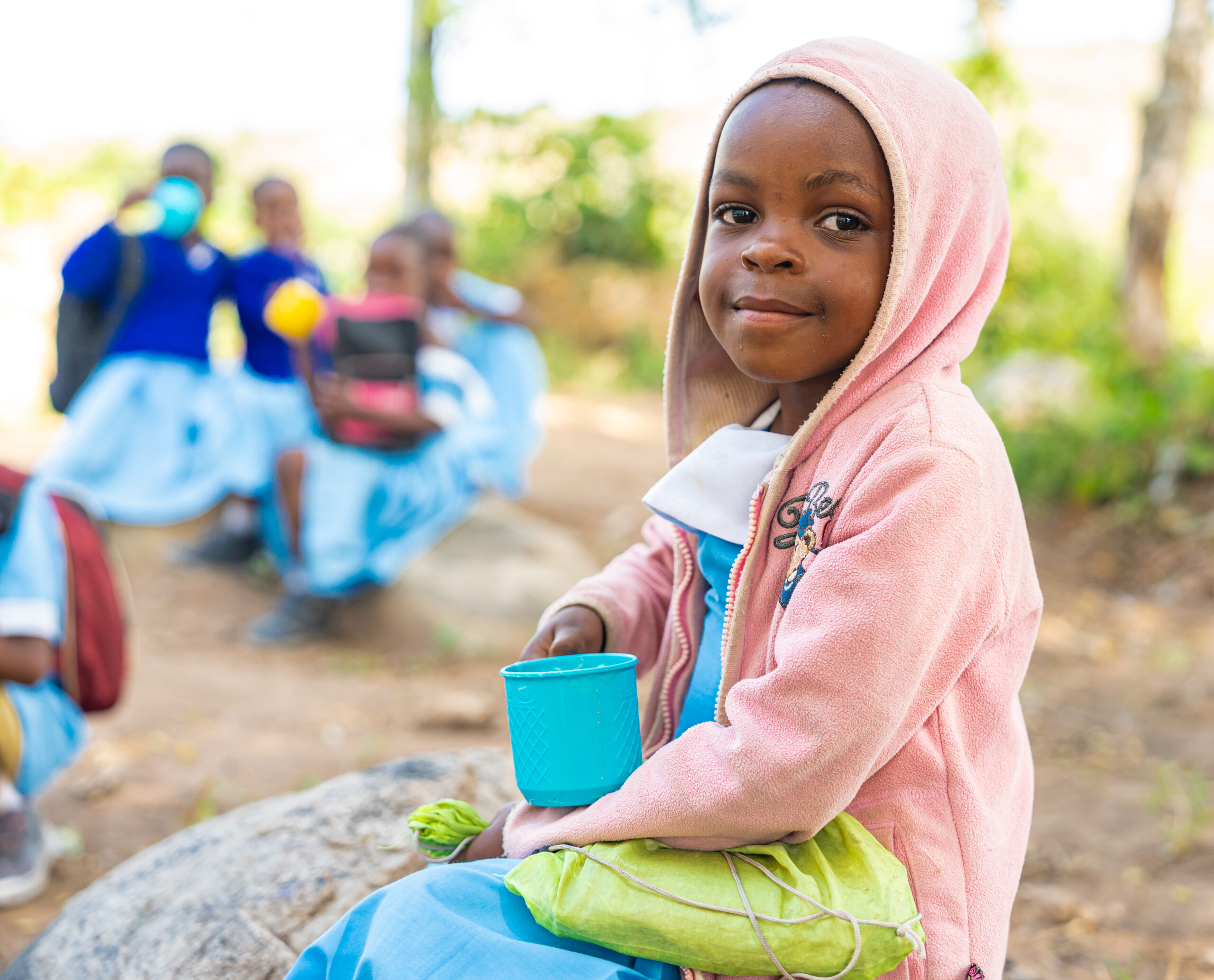
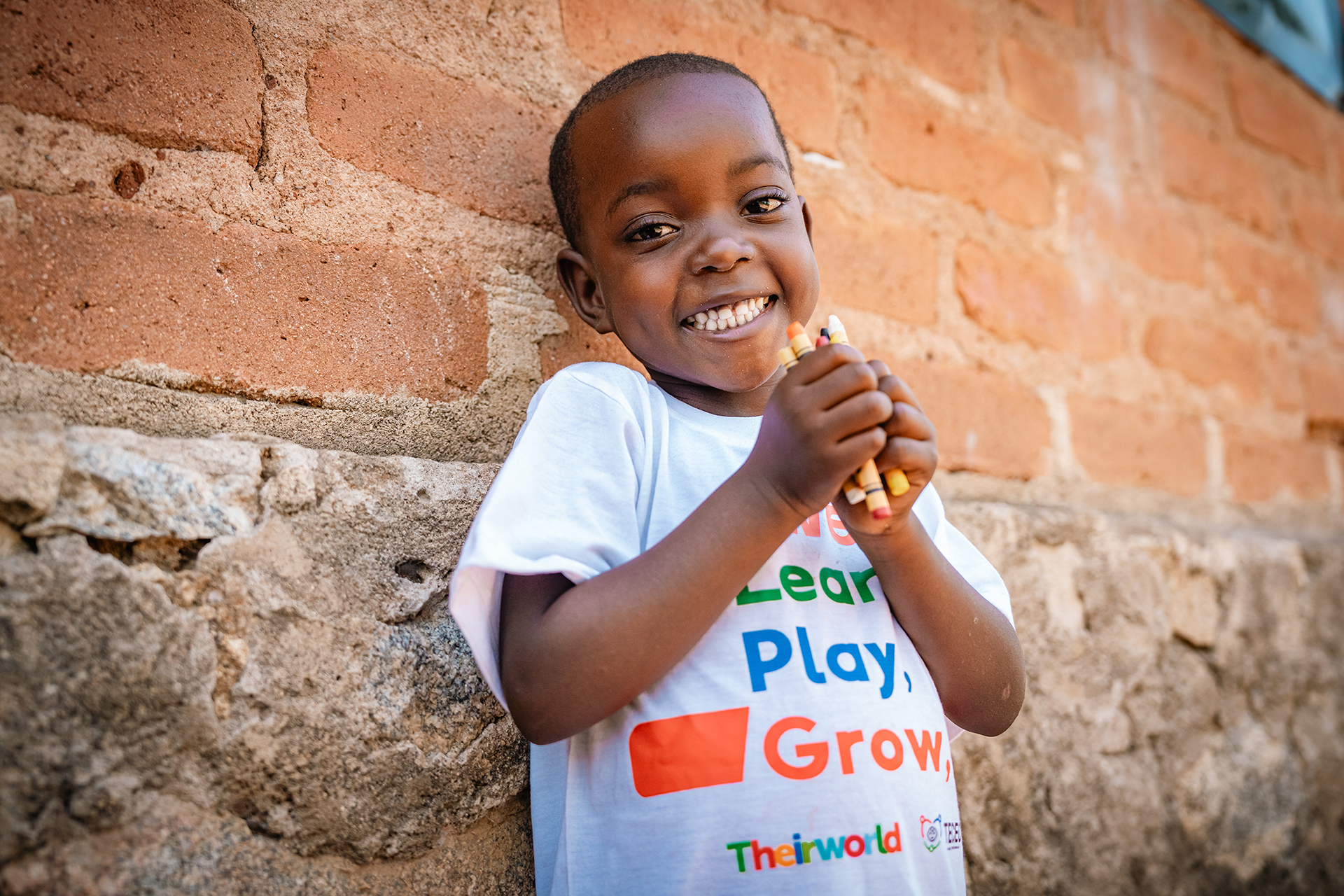
In underserved communities across Tanzania, too many children are growing up without the nurturing care and foundational support needed for healthy development.
In the Rukwa region, only 16% of children aged 2–5 are developmentally on track, compared to the national average of 47%. Many children begin school already behind in literacy, numeracy, communication, physical growth, and social-emotional development. Even after entering school, many continue learning in environments lacking quality early childhood support and stimulation.
These delays become long-term barriers to educational achievement, lifelong health, employment opportunities, and economic mobility.
Our Integrated ECD Model
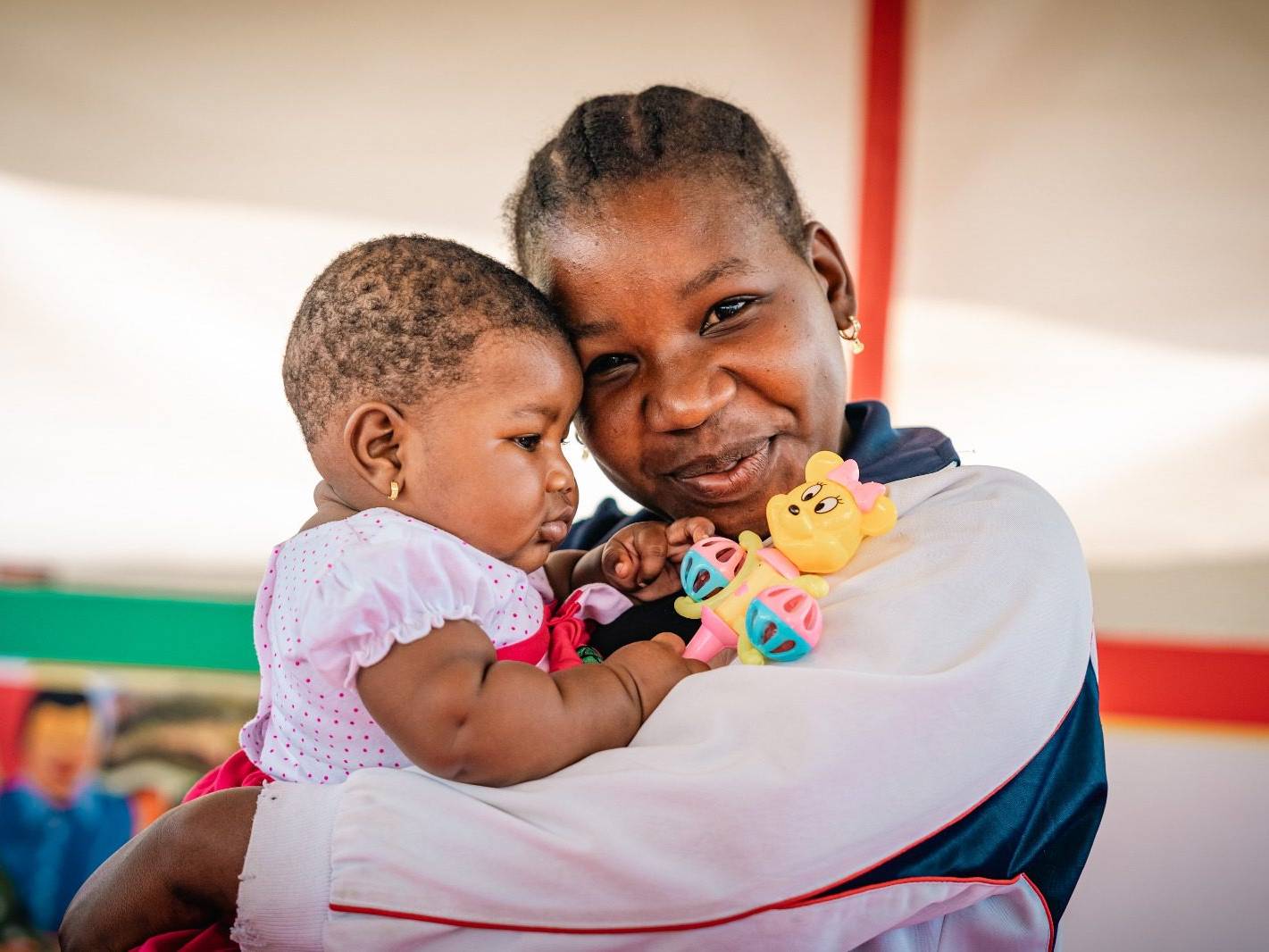
The Echoes of the First Years™ is TECEC’s integrated early childhood development model combining play-based learning, nutrition, responsive caregiving, early stimulation, home visiting, and livelihood support to help children stay developmentally on track from conception through age eight.
Our model activities focus on:
- Establish community-based ECD centers within public or community structures.
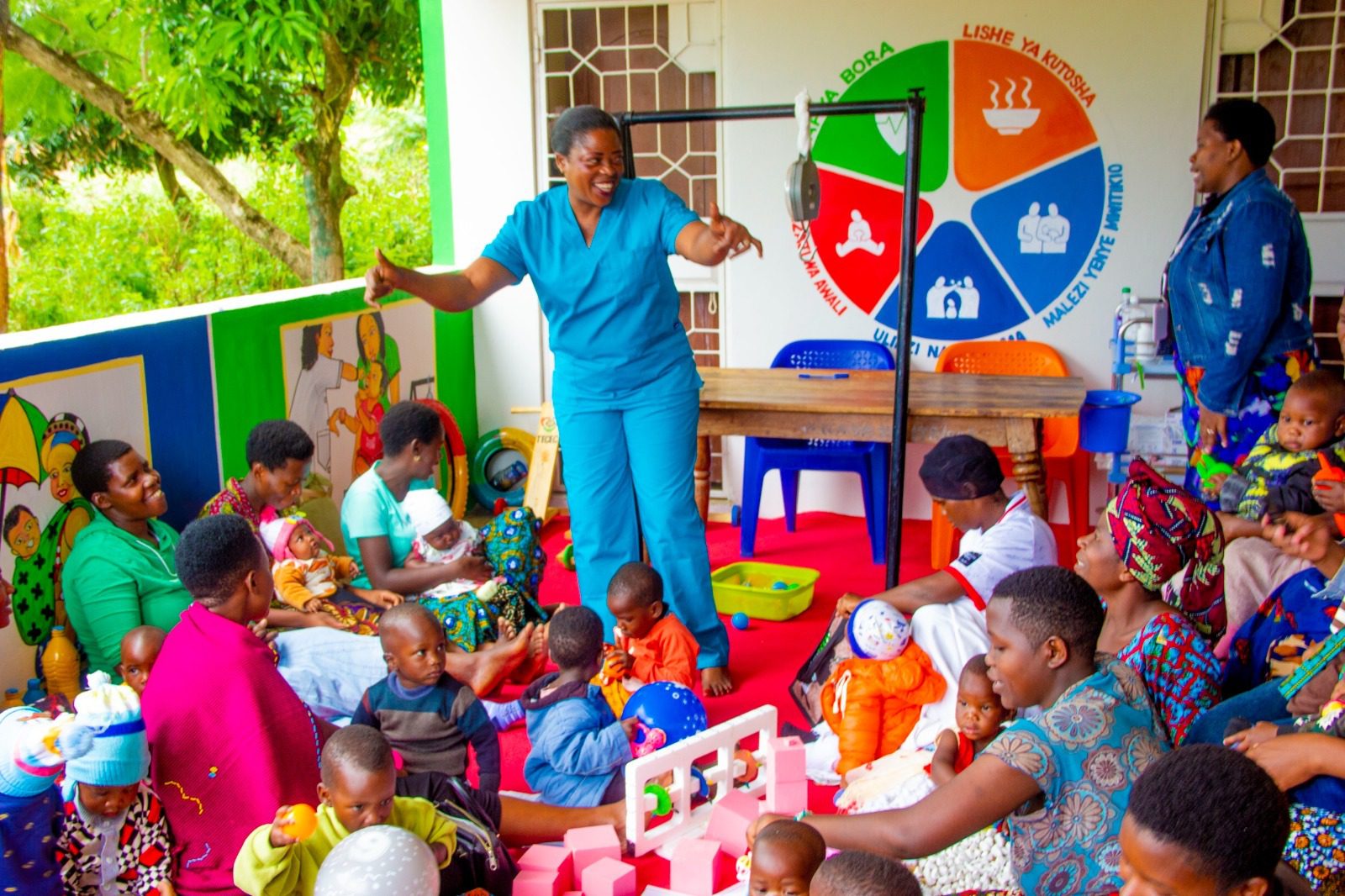
- Create early stimulation corners in community health centers/posts to support pregnant mothers and newborns during their first 1,000 days.
- Deliver weekly parenting sessions covering early stimulation, nutrition, mental health, livelihood support, and responsive caregiving.
- Equip adolescent and single parents with income-generating skills (e.g., nutrition-focused agribusiness, tailoring).
- Community-based maize fortification mill to address hidden hunger.
Our Excellence of
Learning Hub
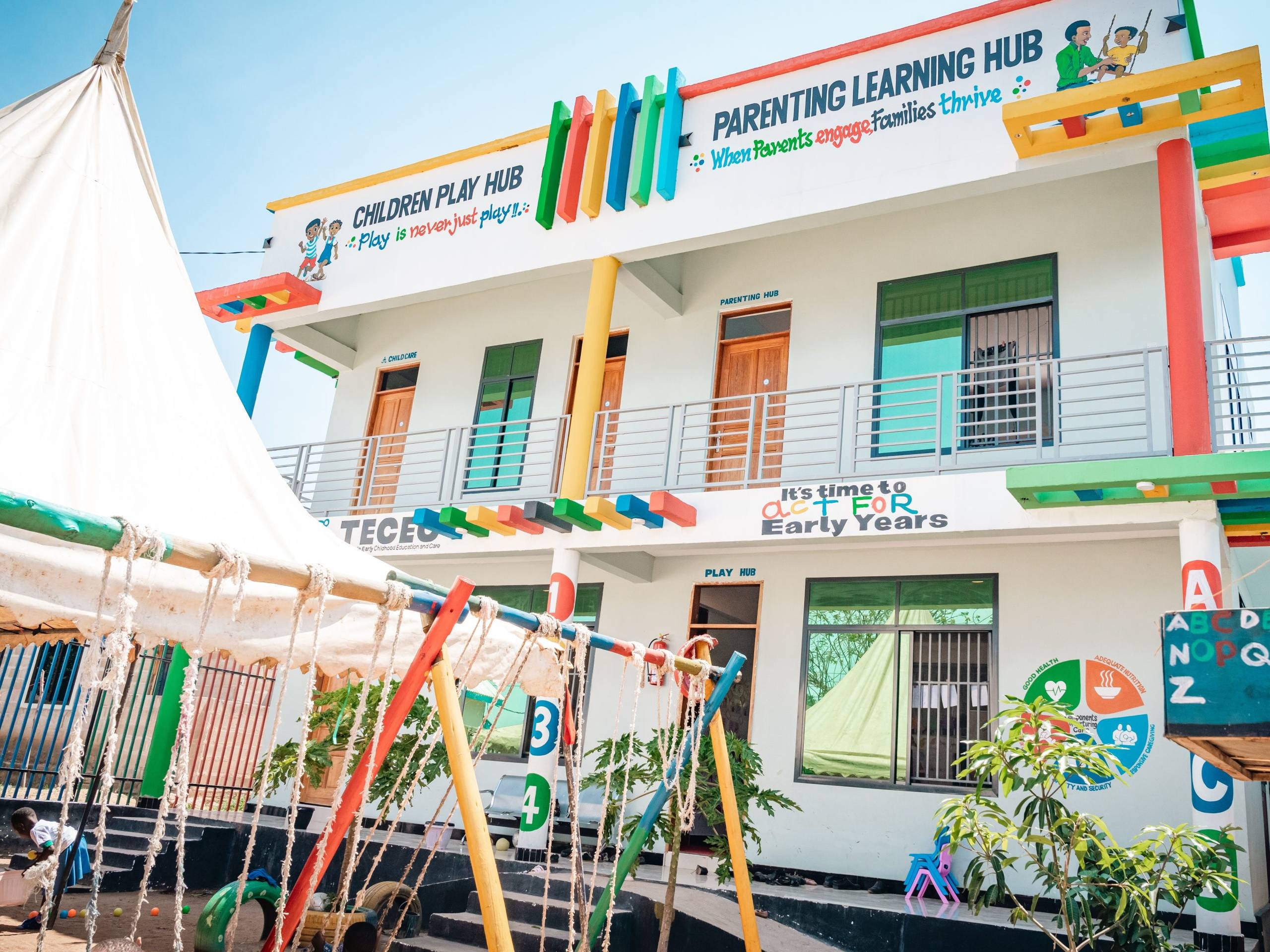
TECEC throught our model of The Echoes of the First Years operates Tanzania’s first ECD Learning Hub in the Mwanza region. The Hub serves as a practical training space for parents, caregivers, community health workers, and ECD & pre-school teachers, focusing on play-based early learning, nutrition education, responsive parenting, and income-generating skills. It also provides a space to pilot and test new best practices with young children.
Currently, the Hub includes:
• Parenting training space
• Crèches and daycare facilities
• Maize flour fortification milling machine
• Community children’s play hub
The Hub reflects our belief that strengthening children begins by strengthening the adult who care for them and environments surrounding them.
Our Model Activities
The Echoes of the First Years is shaped by the real needs of the families we serve, grounded in the understanding that children thrive when their foundational needs in the early years are fully met.
Play based early learning and stimulation
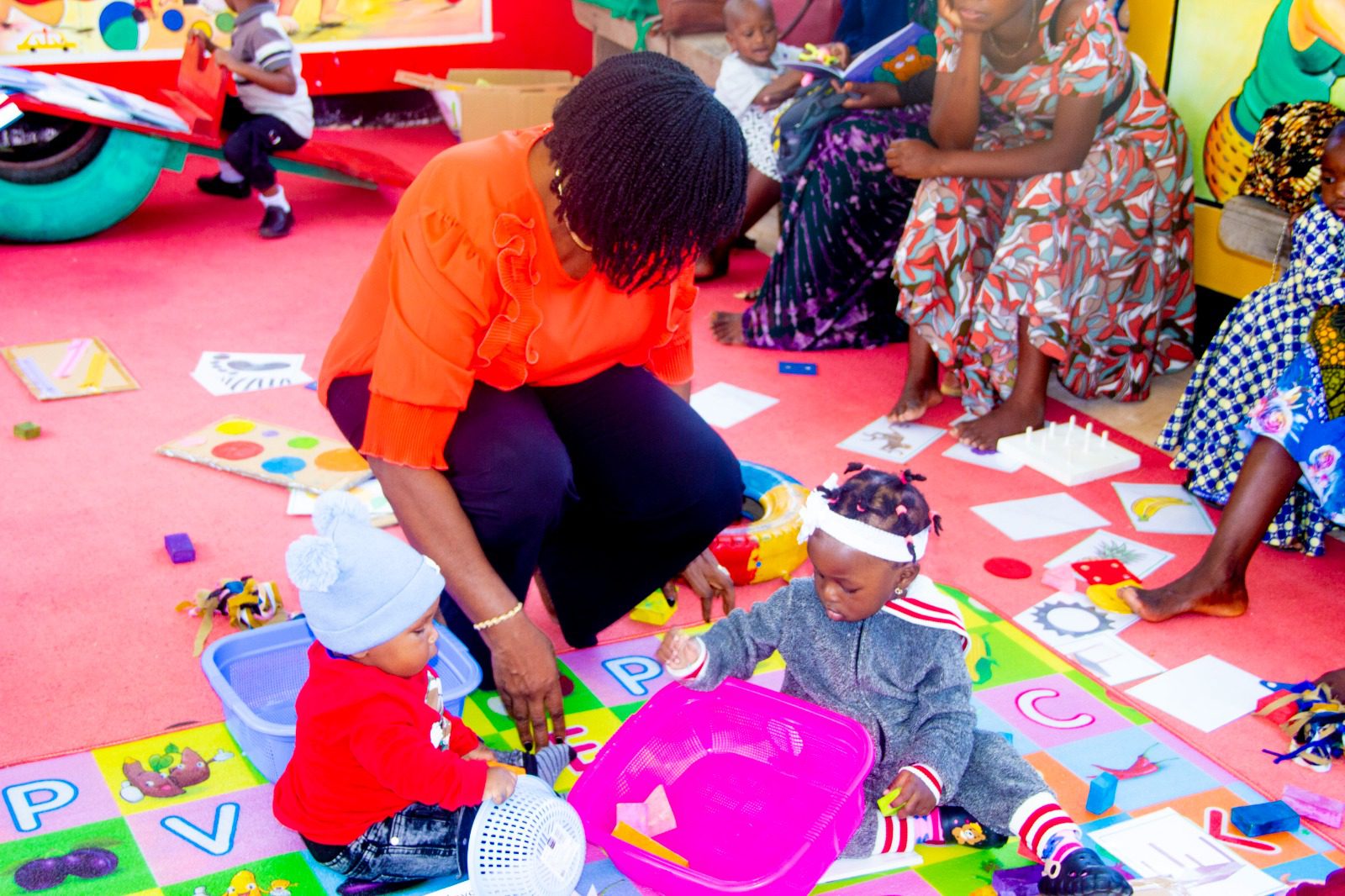
We support the establishment of community ECD centers and strengthen public pre-primary classrooms through play-based learning approaches that improve foundational literacy, numeracy, creativity, communication, and social-emotional development.
We also establish Early Stimulation Corners within health facilities, helping parents and caregivers support children’s development during the critical first 1,000 days of life.
Nutrition education, vegetable gardening and fortified maize flour

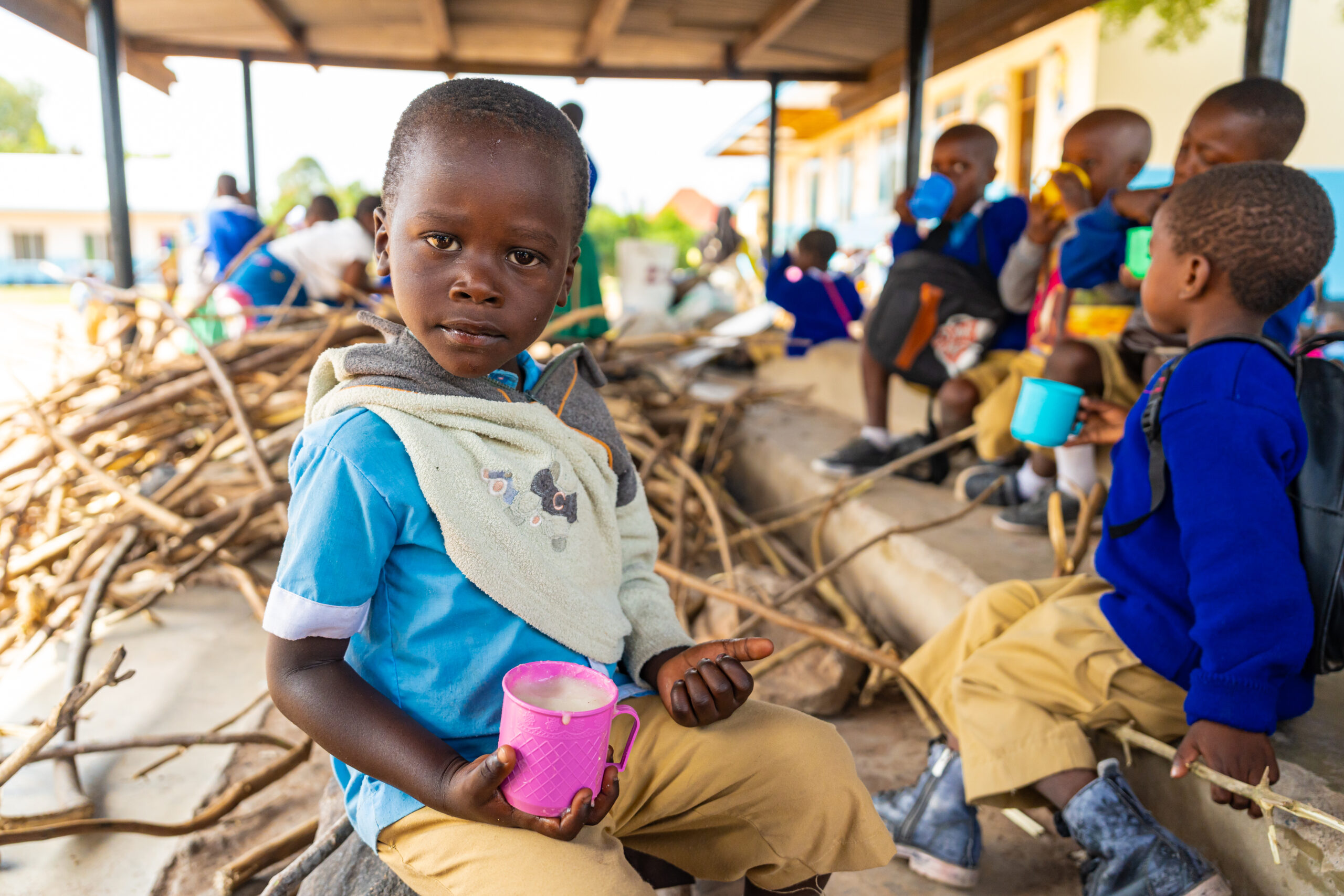
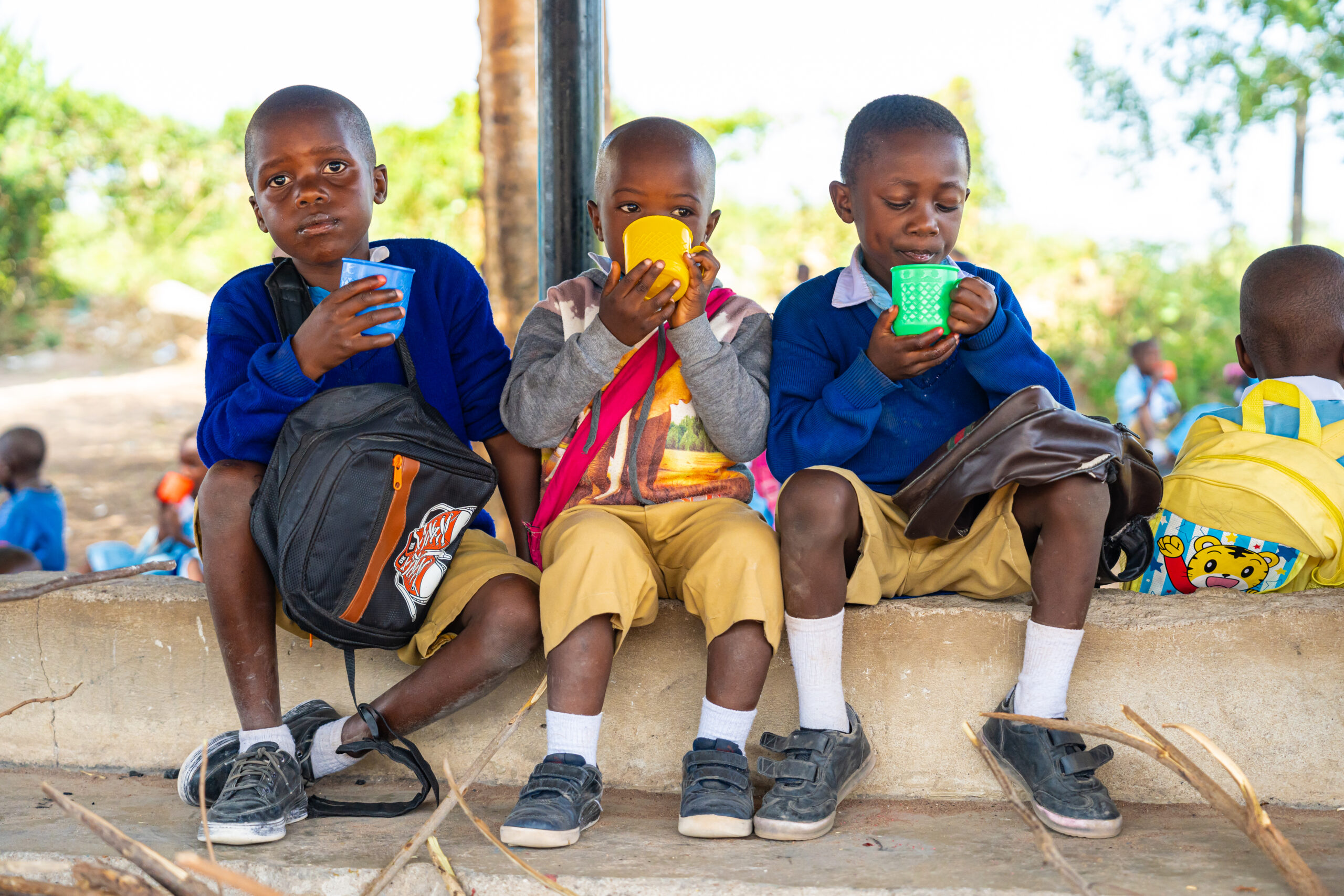
We works with families and communities to improve, child nutrition through nutrition education, fortified maize flour, vegetable gardening, and practical feeding support for young children.
Its aim to help improve children’s concentration, participation in learning, physical growth, and overall well-being, while also reducing barriers to school attendance and readiness.
Parenting education, resources and home visit support
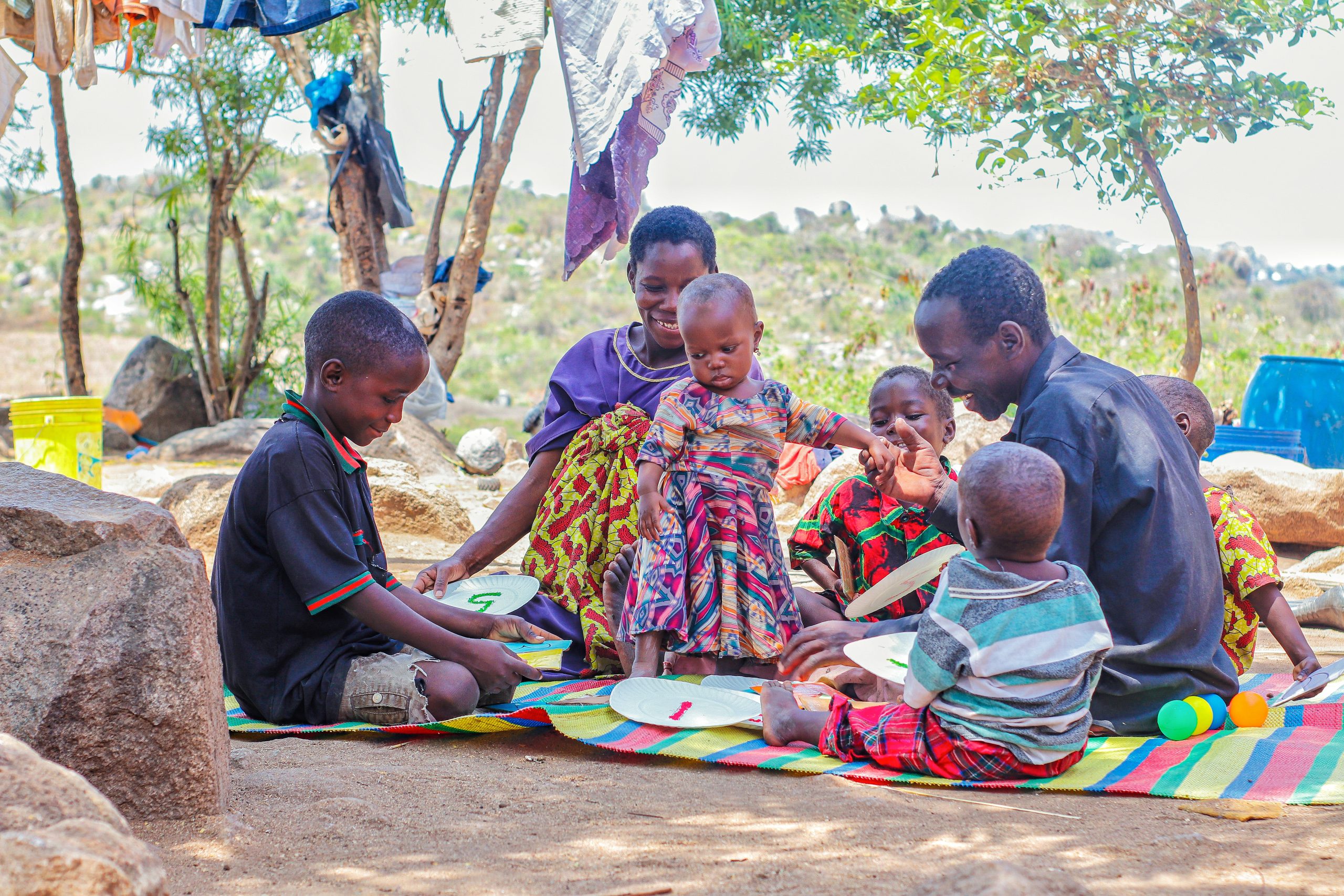
Parents and caregivers are children’s first teachers, through parenting groups, home visits, and community learning sessions, families gain skills in responsive caregiving, early stimulation, mental well-being, positive discipline, and nurturing care.
Its increases caregiver confidence and reducing toxic stress within families, That help create safer, more supportive environments where children can thrive.
Livelihoods for parents of young children
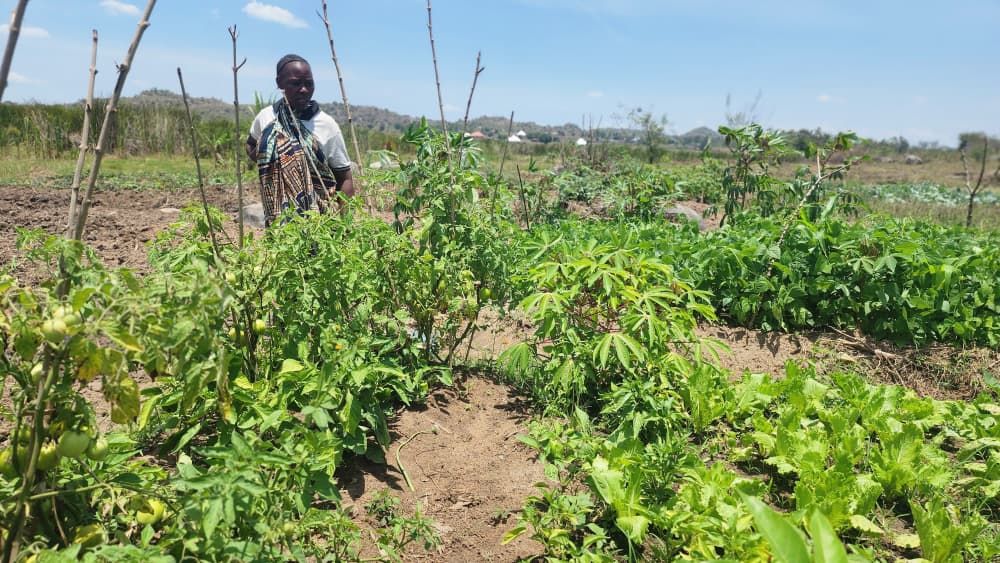
Economic stress directly affects children’s development., we supports adolescent parents, single mothers, and vulnerable caregivers with entrepreneurship training, financial literacy, and income-generating opportunities to strengthen family resilience and improve household well-being.
Its help families become more economically stable, and children are more likely to access consistent nutrition, care, learning opportunities, and protection.